
Distributing workloads effectively is essential to maintaining productivity and harmony in the workplace. When tasks are unevenly assigned, it can lead to burnout, missed deadlines, and strained relationships within teams. On the other hand, a balanced distribution ensures that each task is handled by the right person, resources are used efficiently, and the entire team can focus on achieving their goals. Whether you’re managing a team or balancing personal responsibilities, these strategies will help you distribute tasks efficiently and achieve better outcomes.
Introduction to Effective Workload Distribution
Effective workload distribution is the foundation of a high-performing team and a successful organization. By thoughtfully assigning tasks and responsibilities among team members, leaders can ensure that work is managed in a balanced and equitable way. This approach not only prevents uneven workload distribution—where some individuals are overloaded while others are underutilized—but also enhances employee satisfaction and engagement. When team members feel valued and see that their contributions are recognized, they are more likely to be motivated and committed to project success. Leveraging workload management software and workload management tools streamlines the process of assigning tasks, tracking progress, and making adjustments as needed. Ultimately, a well-executed workload management plan helps organizations achieve their goals efficiently, fosters a positive work environment, and ensures that every team member can contribute their best.
1. Understand the Team’s Strengths and Weaknesses 
Effective workload distribution begins with understanding the capabilities and limitations of each team member. Every individual has unique strengths that can be leveraged for better outcomes, such as analytical skills, creativity, or attention to detail. When distributing workload, it’s important to consider different tasks and their specific requirements, ensuring that each assignment is matched to the appropriate skill sets. Assigning tasks based on these strengths not only ensures efficiency but also boosts morale by allowing people to excel in their areas of expertise. Evaluating team members’ skill sets helps ensure that tasks are matched appropriately, optimizing both performance and satisfaction.
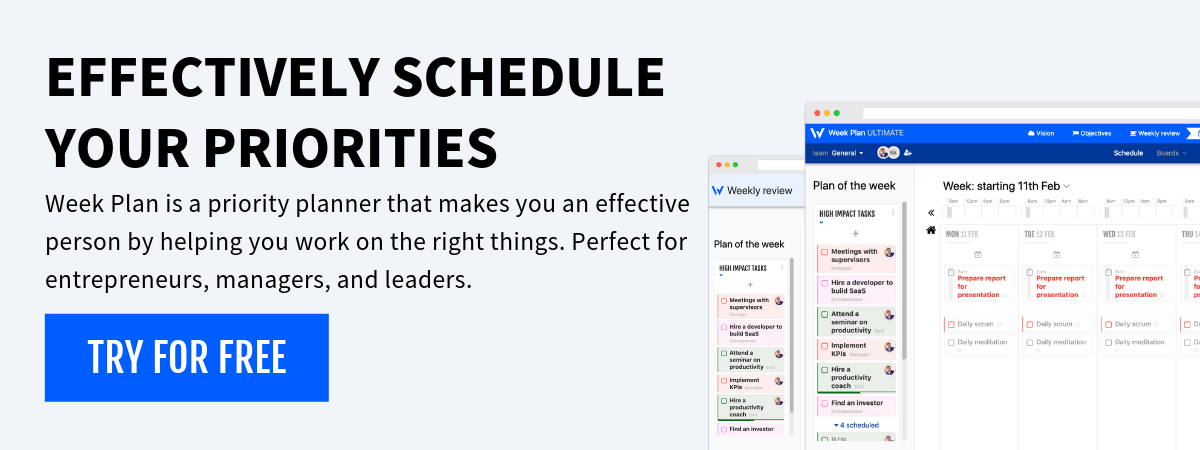
For instance, assigning complex data analysis to someone skilled in mathematics—while ensuring the necessary skills for data interpretation and software use are present—or entrusting creative problem-solving tasks to a more innovative thinker can significantly enhance results. Use tools like Weekplan to monitor tasks and align them with the right team members, assigning specific tasks to certain team members based on their expertise to ensure that work is distributed fairly and strategically.
Resource allocation
Resource allocation plays a pivotal role in effective workload distribution. It involves strategically assigning team members, equipment, and other resources to specific tasks and projects based on their availability and suitability. By carefully matching tasks with the right resources, organizations can maximize resource utilization and ensure that work is completed efficiently and to a high standard. Project management tools, such as Gantt charts and kanban boards, provide a clear visual overview of ongoing projects, deadlines, and resource availability, making it easier to allocate resources where they are needed most. This proactive approach helps prevent both overallocation, which can overwhelm team members, and under-allocation, which can lead to wasted potential. Effective resource allocation not only supports balanced workloads but also drives project success by ensuring that every task is handled by the most qualified and available team members.
Employee Preferences
Taking employee preferences into account is a key factor in achieving effective workload distribution. When organizations consider the unique skills, interests, and working styles of their team members, they can assign tasks that align with individual strengths and motivations. This personalized approach leads to higher employee satisfaction, as team members feel their preferences and expertise are valued. It also encourages greater engagement and commitment to tasks, resulting in improved performance and a more positive team dynamic. By regularly discussing employee preferences and incorporating them into task assignments, organizations can reduce the risk of burnout and turnover, while fostering a supportive environment where everyone can thrive. Recognizing the significant role of employee preferences in workload planning ultimately leads to a more harmonious and productive workplace.
2. Prioritize Critical Tasks
Not all tasks are equally important, and knowing which ones require immediate attention is key to effective workload management. Prioritizing tasks based on deadlines, importance, and their impact on broader goals ensures that resources are allocated where they are most needed. This approach also helps avoid last-minute panic and ensures that essential work is completed on time. Tools like Weekplan’s urgent-important matrix can help you categorize tasks efficiently, allowing you to focus on what truly matters. By assigning critical tasks first, you can streamline workflows and avoid unnecessary bottlenecks.
3. Use Time Blocking for Better Focus 
Time blocking is a technique where you allocate specific blocks of time to focus on particular tasks or projects. This method helps eliminate distractions, improves concentration, and ensures that each task gets the attention it deserves. By planning your day or week using time blocks, you can manage multiple responsibilities without feeling overwhelmed. Weekplan’s scheduling tools make it easy to set up time blocks and stick to them, ensuring uninterrupted focus on high-priority work. Implementing time blocking not only boosts individual productivity but also creates a structured workflow for the entire team.
4. Communicate Clear Expectations
A common cause of workload imbalance is unclear or inconsistent communication about what is expected. When team members aren’t sure about their roles, deadlines, or priorities, it can lead to confusion and duplicated efforts. Poor communication can also result in workload imbalances, where some team members are overloaded while others have too little to do, ultimately reducing overall team productivity. Clear communication ensures that everyone understands their tasks, deadlines, and how their work fits into the bigger picture. Weekplan’s collaboration features allow managers to assign tasks with detailed instructions and track progress in real time, reducing the chances of misunderstandings. Regular check-ins and feedback sessions also help ensure that everyone stays on the same page.
5. Delegate Effectively 
Delegation is an essential skill for any manager or team leader, but it requires trust and a strategic approach. Assigning tasks to the right people ensures that work is completed efficiently and frees up time for higher-level responsibilities. However, delegation isn’t just about offloading tasks—it’s about empowering team members and fostering a sense of ownership. Delegation may also involve assigning additional tasks to team members as project needs evolve. Weekplan’s task assignment features make it easy to delegate work while maintaining oversight, ensuring that responsibilities are clearly defined and monitored. Effective delegation also builds team capacity and prepares members for future leadership roles. The project manager plays a key role in monitoring delegation and ensuring tasks are distributed appropriately.
6. Balance Workloads Fairly
Fairness in workload distribution is crucial for maintaining team morale and preventing burnout. When some team members are consistently overburdened while others have less to do, it can lead to resentment and reduced productivity. It is important to ensure every team member has a fair share of the workload to promote equity and collaboration.
Use tools like Weekplan to visualize workloads and adjust assignments to ensure a fair balance. These visualization tools help managers distribute workloads, monitor for lighter workloads among some team members, and identify opportunities for more equitable distribution.
Regularly review who is handling what and redistribute tasks as needed to ensure that no one is overwhelmed. Unbalanced workload distribution can result in decreased job satisfaction, lower team morale, and even burnout, so striving for a more equitable distribution benefits both individuals and the team as a whole.
This approach not only improves team dynamics but also ensures that resources are used efficiently across the board. Distributing workloads fairly and effectively leads to balanced workload distribution and improved team morale.
7. Set Realistic Deadlines 
Unrealistic deadlines can cause unnecessary stress and lower the quality of work. Setting achievable deadlines based on the complexity of tasks and the availability of resources helps teams work more effectively. Weekplan’s scheduling tools allow you to plan tasks realistically by considering factors like time constraints, dependencies, and team availability. It is crucial to understand what the team can realistically handle when setting deadlines to ensure commitments align with actual capacity. By setting realistic deadlines, you can create a manageable workflow that allows for high-quality output without unnecessary pressure.
8. Utilize Automation Tools
Automation tools can significantly reduce the manual effort required for routine or repetitive tasks, freeing up time for more critical work. For example, Weekplan’s recurring tasks feature automatically schedules regular activities, ensuring that nothing is overlooked. From scheduling meetings to tracking project milestones, automation simplifies workload distribution and minimizes errors. Task management tools and project management software with automation features help teams achieve maximum efficiency by optimizing task allocation, streamlining resource utilization, and providing real-time visibility into team capacity. Incorporating automation into your workflow not only saves time but also allows team members to focus on tasks that require creativity and critical thinking.
9. Regularly Review and Adjust Workloads 
Workload distribution isn’t a one-time process—it requires regular monitoring and adjustments. As projects evolve and new priorities emerge, workloads may need to be redistributed to maintain balance and efficiency. When new tasks are introduced, it’s essential to update the workload plan and consider capacity planning to ensure resources are allocated effectively. Weekplan’s reporting features provide insights into task progress, allowing managers to identify bottlenecks and reassign work as needed. Regularly reviewing workloads ensures that everyone stays productive and no one feels overburdened or underutilized. Regular monitoring of team workload is crucial to maintain ongoing balance and prevent overload.
Avoiding common workload distribution mistakes is crucial for maintaining a productive and satisfied team. One frequent error is assigning tasks solely based on who is available, rather than considering each team member’s skill set and expertise. This can result in uneven workload distribution, where some individuals are overburdened with tasks that may not match their strengths. Another pitfall is neglecting to factor in employee preferences and interests, which can lead to disengagement and decreased job satisfaction. Additionally, failing to regularly monitor and adjust task assignments can cause imbalances and inefficiencies to persist. By being mindful of these mistakes and focusing on assigning tasks based on skills, preferences, and ongoing review, organizations can achieve more effective workload distribution and create a more motivated and high-performing team.
The way workloads are distributed has a direct and significant impact on team productivity. When tasks are assigned in alignment with each team member’s skills, interests, and capacity, individuals are more likely to be engaged, efficient, and motivated to deliver high-quality results. Effective workload distribution minimizes the risk of uneven workload distribution, which can otherwise lead to stress, missed deadlines, and reduced output. By leveraging workload management tools and software, organizations can streamline task assignments, monitor progress, and quickly address any imbalances. This not only enhances productivity but also supports a culture of continuous improvement, where team members can focus on high-priority tasks and contribute to the overall success of the organization.
10. Foster a Culture of Collaboration 
Encouraging collaboration within teams can make workload distribution more flexible and effective. When team members are willing to help each other and share responsibilities, it creates a supportive work environment where tasks are completed faster and with better quality. Fostering collaboration not only leads to higher quality outcomes but also enhances team performance by ensuring everyone is engaged and working towards common goals. Weekplan’s collaboration features make it easy to share tasks, communicate updates, and coordinate efforts. A culture of collaboration also helps identify gaps or overlaps in workloads, making it easier to redistribute tasks fairly. Additionally, a collaborative culture supports employee retention by making team members feel valued and supported, which helps maintain skilled staff and reduces turnover.
Conclusion
Effective workload distribution is the cornerstone of a productive and harmonious work environment. By implementing these strategies, you can ensure that tasks are aligned with the right people, priorities are managed effectively, and team morale remains high. Tools like Weekplan play a vital role in simplifying this process with features that help you plan, prioritize, and track tasks effortlessly. Start optimizing your workload distribution today to achieve better results and maintain a balanced workflow.
Frequently Asked Questions (FAQs)
- What is workload distribution? Workload distribution is the process of allocating tasks and responsibilities among individuals or teams to ensure efficient use of resources and balanced workloads.
- Why is workload distribution important? It improves productivity, reduces stress, and ensures tasks are completed efficiently while maintaining team morale.
- How can Weekplan help with workload distribution? Weekplan offers tools for task prioritization, scheduling, and collaboration, making it easier to manage workloads and align tasks with team strengths.
- What are the essential pillars of workload distribution? Understanding team strengths, prioritizing tasks, clear communication, and regular adjustments are key pillars.
- How does automation improve workload distribution? Automation reduces manual effort on repetitive tasks, allowing teams to focus on more critical work.
- Can Weekplan assist with recurring tasks? Yes, Weekplan automates recurring tasks, ensuring they are scheduled consistently without additional effort.
- How do I prevent overloading my team? Use tools like Weekplan to monitor workloads and adjust assignments for fairness and balance.
- What is the role of time blocking in workload distribution? Time blocking helps allocate specific time slots for tasks, improving focus and efficiency.
- How often should workloads be reviewed? Regular reviews, at least weekly, ensure workloads remain balanced and adapt to changing priorities.
10. Can Weekplan integrate with other tools?
Yes, Weekplan integrates with various apps, streamlining workflows and enhancing task management.
More Posts
Advantages of Using an Online Monthly Planner vs. Paper Planner
Are you struggling to decide between an online monthly planner and a traditional paper planner? Both planners have their own distinct advantages and can help you manage your time and organize your life...
11 Strategies for Effective Planning to Overcome Procrastination
Procrastination is a big problem that many people face. Even those who are very productive can delay tasks. This can make them stressed and less efficient. But, there are ways to beat procrastination....
Digital Workplace & Its Benefits for Remote Teams
Is your organization’s work done within walls of a physical space wherein your employees occupy their seats during regular office hours? If yes, it’s high time you consider your staff’s changing work demands...
8 Simple Tips to Improve Your Poor Work Ethic
Today, being more productive and successful is very important. To get ahead, having a good work ethic matters a lot. Work ethic means being trusted, acting professionally, and working hard towards goals, yours...